1. What Is Self-Clinching?
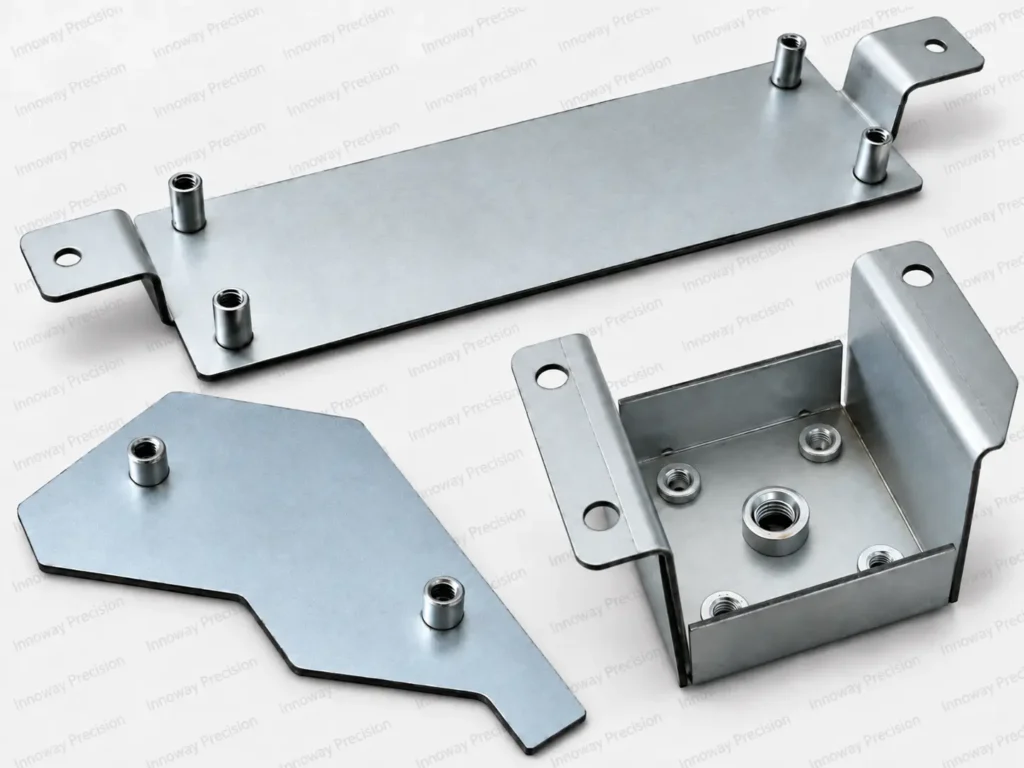
Self-clinching is a mechanical fastening process that permanently installs threaded fasteners into sheet metal without welding or adhesives.
During installation, controlled pressing force causes the sheet metal to flow into a specially designed undercut on the fastener, creating a secure mechanical connection.
This process is widely used in electronic enclosures, automotive components, industrial equipment, and precision sheet metal assemblies.
2. Types of Self-Clinching Fasteners
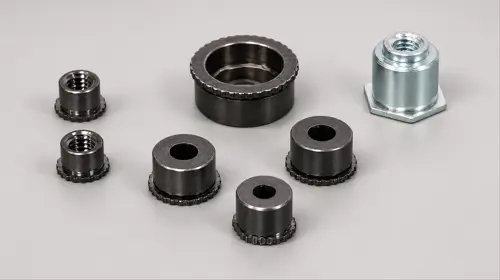
Common self-clinching fasteners include nuts, studs, and standoffs. Each type serves different assembly requirements depending on the sheet material, thickness, and connection design.
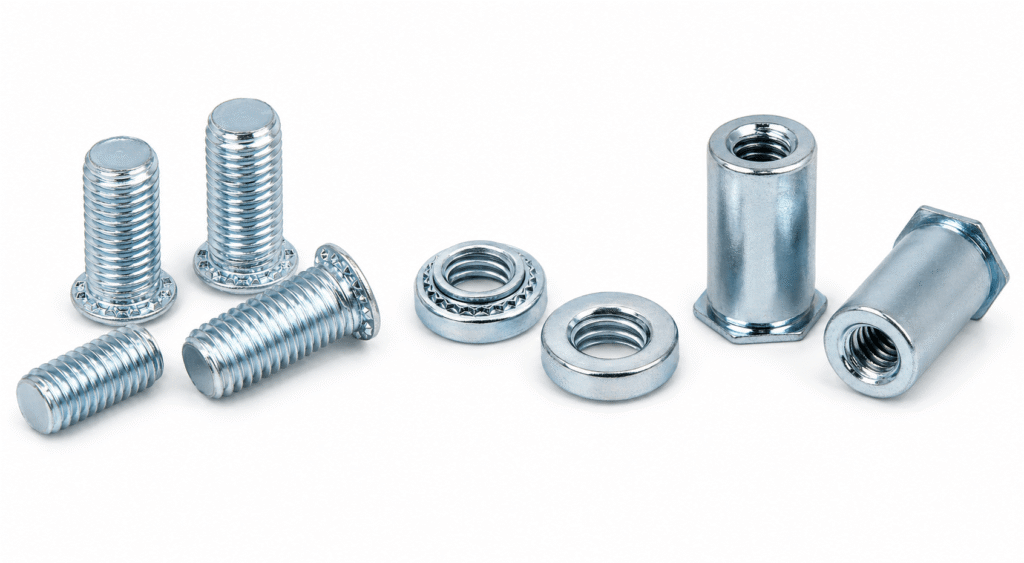
For more details, read our guide: Types of Self-Clinching Fasteners.
3. How Does the Self-Clinching Process Work?
The installation process involves three main steps:
- Hole Preparation: Punch or drill the mounting hole to the dimensions specified by the fastener manufacturer.
- Fastener Positioning: Place the fastener into the prepared hole and align it with the installation tooling.
- Press Installation: Apply controlled, parallel pressing force until the fastener is properly seated and securely locked into the sheet metal.
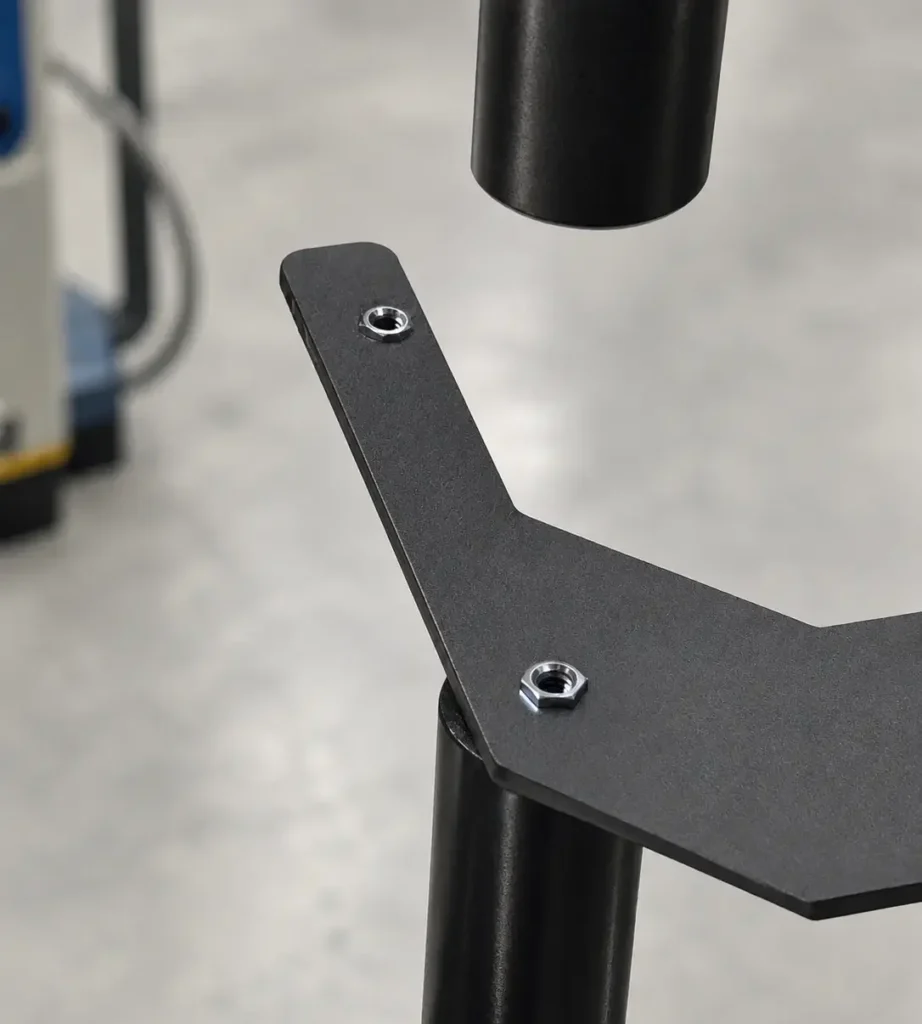
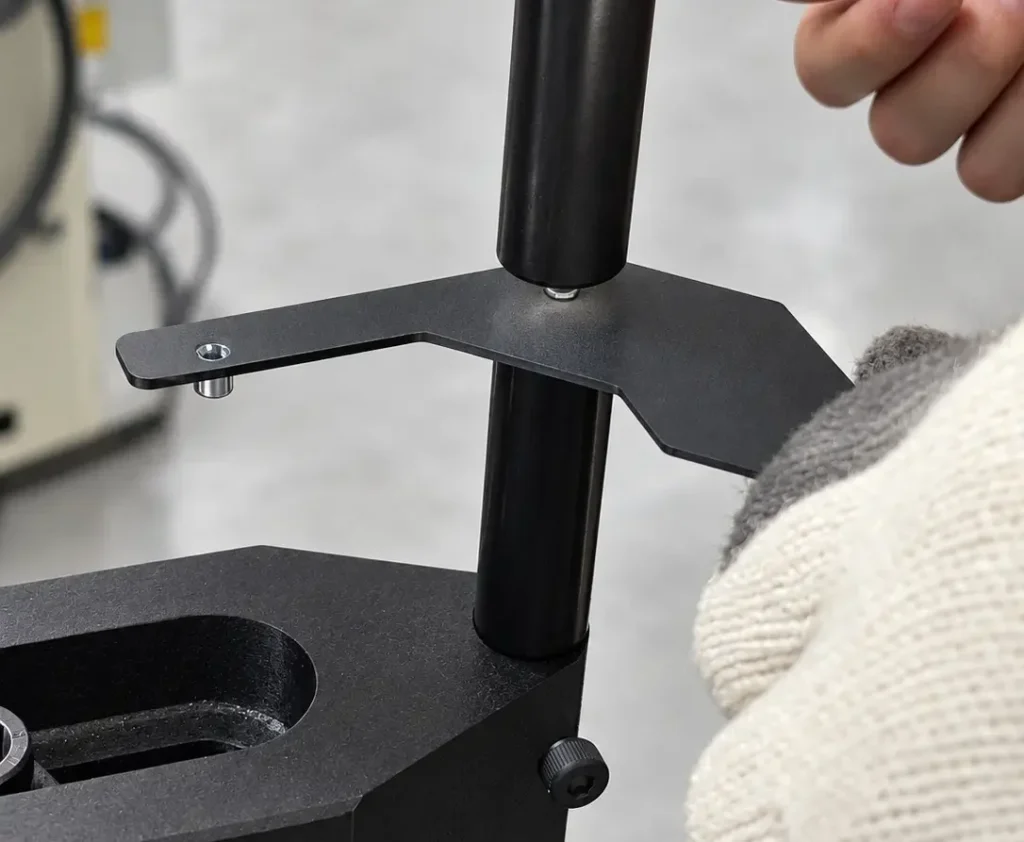
Unlike welding, self-clinching does not require heat, helping prevent thermal distortion and simplifying assembly.
4. Key Design Considerations
Reliable self-clinching depends on several important factors:
| Parameter | Design Consideration |
|---|---|
| Sheet Thickness | Must meet the minimum thickness specified for the selected fastener. |
| Sheet Hardness | The sheet material must be sufficiently softer than the fastener. |
| Mounting Hole | Hole diameter and tolerance must follow the manufacturer’s specifications. |
| Edge Distance | Adequate distance from the sheet edge is necessary to prevent deformation. |
| Installation Force | Proper force is essential to achieve secure fastening without damaging the sheet or fastener. |
For harder materials such as SUS304 stainless steel, specially designed self-clinching fasteners may be required.
Important: Mounting holes should generally not be countersunk or deburred unless specified by the fastener manufacturer. The surrounding sheet material is essential for forming a secure mechanical lock.
5. Quality Control at Innoway Precision
At Innoway Precision, self-clinching is integrated into our custom sheet metal fabrication and assembly services.
Our quality control focuses on four key areas:
- Hole Accuracy: Ensuring correct hole dimensions and positioning.
- Fastener Alignment: Preventing tilted or improperly seated fasteners.
- Installation Consistency: Controlling pressing force and installation quality.
- Final Inspection: Checking fastener security, appearance, and assembly requirements.
For applications with specific strength requirements, push-out and torque-out testing can be used to evaluate fastening performance.
6. Conclusion
Self-clinching provides a reliable and efficient solution for installing threaded fasteners in thin sheet metal. Proper fastener selection, precise hole preparation, and controlled installation are essential for achieving consistent assembly quality.
At Innoway Precision, we combine precision metal fabrication with secondary operations such as self-clinching, tapping, welding, and assembly to support customers’ OEM manufacturing requirements.
Looking for a reliable sheet metal fabrication partner?
Visit Innoway Precision to explore our custom manufacturing capabilities.
Frequently Asked Questions
Self-clinching installs specially designed fasteners into sheet metal through material displacement, often creating threaded mounting points. Conventional riveting primarily joins components by deforming a rivet.
Yes. However, the fastener must be compatible with the sheet hardness. Special hardened fasteners may be required for stainless steel applications.
The minimum thickness depends on the fastener type, size, and manufacturer. Always refer to the selected fastener’s technical specifications.
Common causes include incorrect mounting hole dimensions, insufficient installation force, incompatible materials, and improper tooling alignment.
It depends on the fastener and coating requirements. Self-clinching is generally performed before finishing to avoid damaging the coating during pressing. However, the sequence should be evaluated for each application.