1. Why Self-Clinching Fastener Design Matters A self-clinching fastener that spins, loosens or falls out during assembly can cause far more damage than the cost of the fastener itself. For...
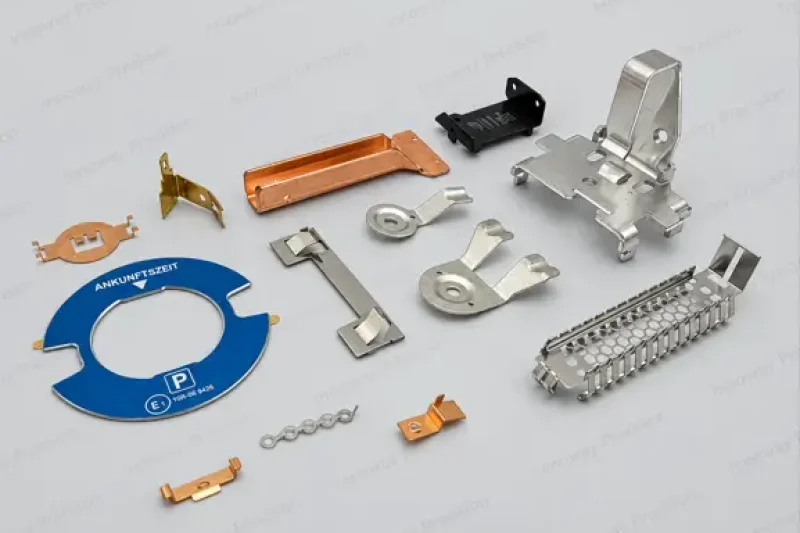
1. What Makes a Part Suitable for Metal Stamping? The first step in determining whether a metal part is suitable for stamping is to examine its raw material form and...
1. Choosing the Right Manufacturing Process When developing a custom metal part, one important question is whether to use metal stamping or sheet metal fabrication. Both processes can produce brackets,...
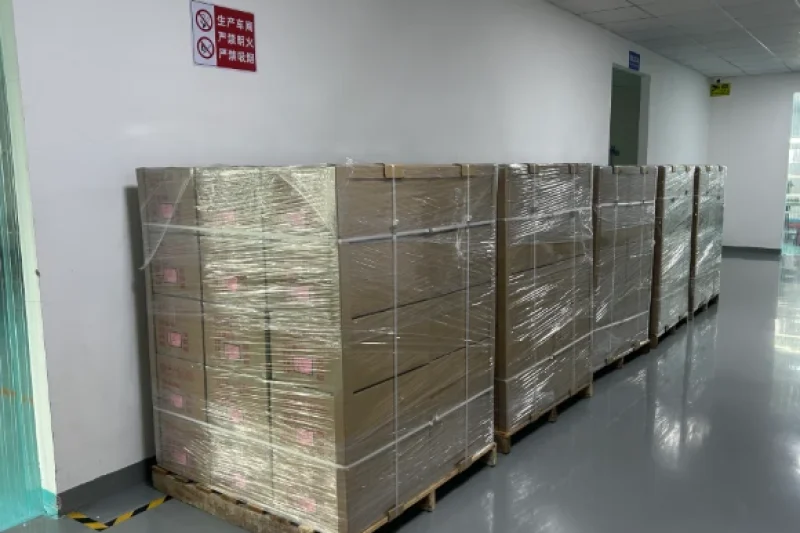
1. Why Does Packaging Matter in Metal Parts Manufacturing? Packaging is more than the final step before shipment. For precision stamped parts, sheet metal components, and fabricated metal assemblies, it...
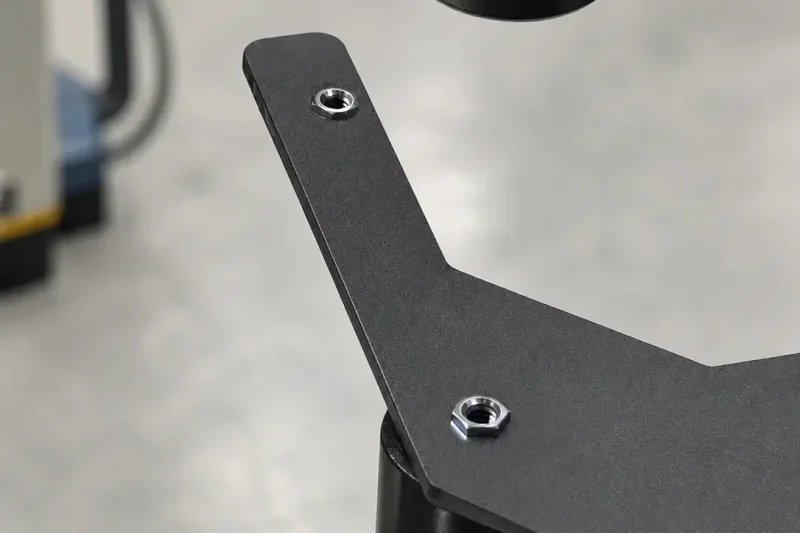
1. What Is Self-Clinching? Self-clinching is a mechanical fastening process that permanently installs threaded fasteners into sheet metal without welding or adhesives. During installation, controlled pressing force causes the sheet...
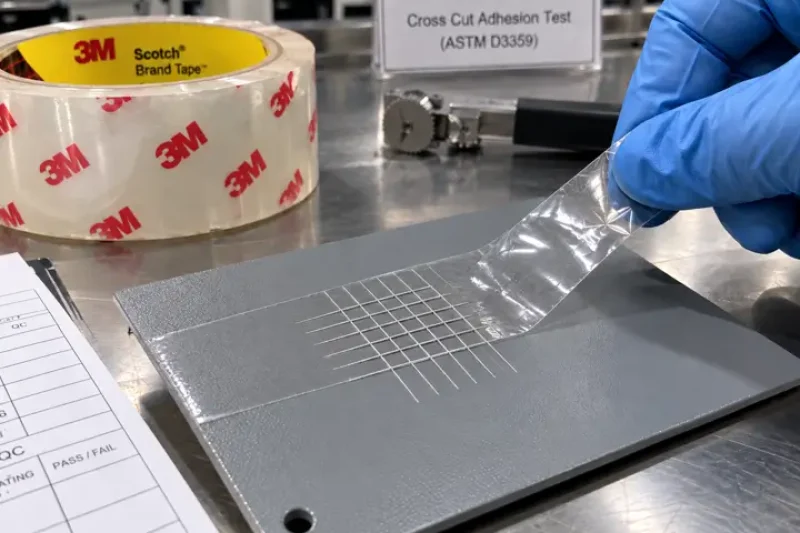
1. Why Is Coating Adhesion Important? For powder-coated and painted metal components, a uniform surface finish does not necessarily guarantee reliable coating performance. Poor adhesion can lead to peeling, flaking,...