1. Why Does Packaging Matter in Metal Parts Manufacturing?
Packaging is more than the final step before shipment. For precision stamped parts, sheet metal components, and fabricated metal assemblies, it is an essential part of quality control.
Even a dimensionally accurate, fully inspected component can arrive damaged if its packaging fails to prevent scratches, deformation, corrosion, or impact during transportation.
An effective metal parts packaging solution should balance five essential requirements:
- Protection: Prevent surface damage, collision, and deformation.
- Corrosion Prevention: Reduce exposure to moisture and corrosive environments.
- Part Positioning: Minimize movement and direct contact between components.
- Handling Efficiency: Simplify storage, counting, unpacking, and production-line feeding.
- Cost Efficiency: Minimize unnecessary material and logistics costs without compromising protection.
The objective is simple: deliver components in the expected condition while maintaining an efficient and economical supply chain.
2. Common Packaging Methods for Sheet Metal and Stamped Parts
There is no universal packaging solution for metal components. The right method depends on part geometry, surface finish, weight, production volume, and shipping conditions.
2.1 PE Bags and VCI Bags
Polyethylene (PE) bags are commonly used for small stamped parts, brackets, fasteners, and general metal components. For corrosion-sensitive parts, compatible Vapor Corrosion Inhibitor (VCI) bags may provide additional protection during storage and transportation.
However, standard PE bags should not be considered corrosion-proof packaging. The selection of corrosion protection should account for material compatibility, cleanliness, moisture exposure, and required storage duration.

2.2 Bubble Wrap and EPE Foam
Bubble wrap and Expanded Polyethylene (EPE) foam are widely used for powder-coated sheet metal parts, anodized aluminum components, and painted metal enclosures. These materials provide cushioning and separation to reduce scratches and contact damage.
For decorative or highly sensitive finishes, the packaging material should be evaluated to ensure that it does not cause pressure marks, abrasion, or surface contamination.
2.3 Thermoformed Trays and Custom Protective Trays
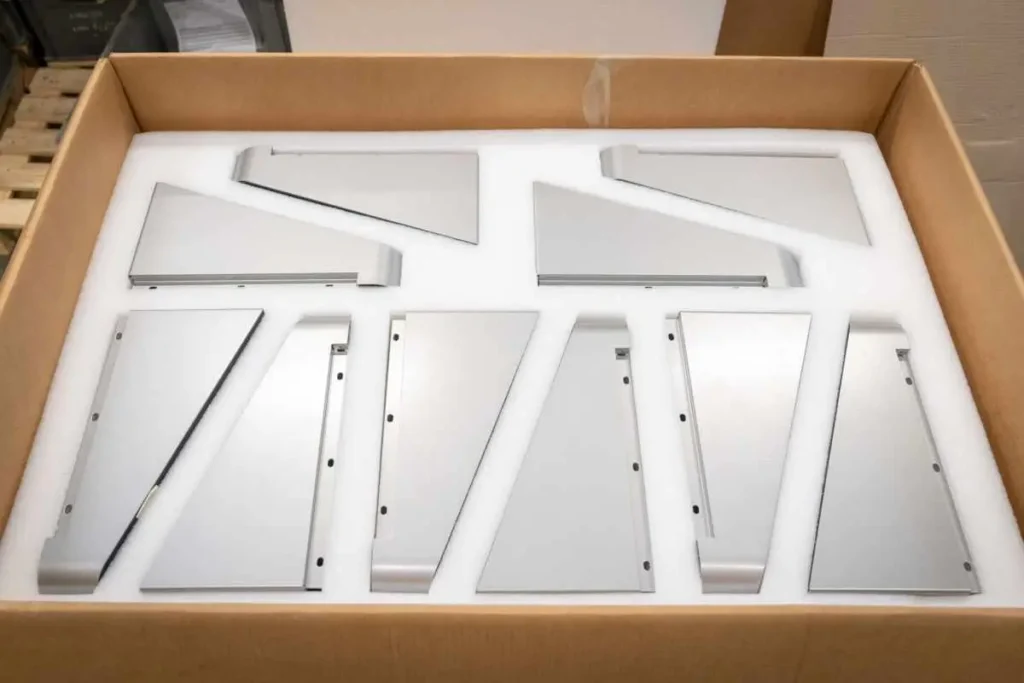
Custom trays are suitable for precision stamped components, thin-walled parts, and products requiring individual positioning. Each component can be placed in a dedicated cavity to minimize movement and part-to-part contact.
This approach is especially useful for high-volume manufacturing, automated assembly, and applications where consistent part orientation improves handling efficiency.

2.4 Corrugated Cartons with Dividers
Corrugated cartons are among the most widely used packaging options for small and medium-sized metal components. Internal dividers, inserts, and protective layers can separate parts while improving carton space utilization.
However, packaging quantity should be determined by more than available space. Carton strength, gross weight, stacking conditions, and the risk of compression damage must also be considered.
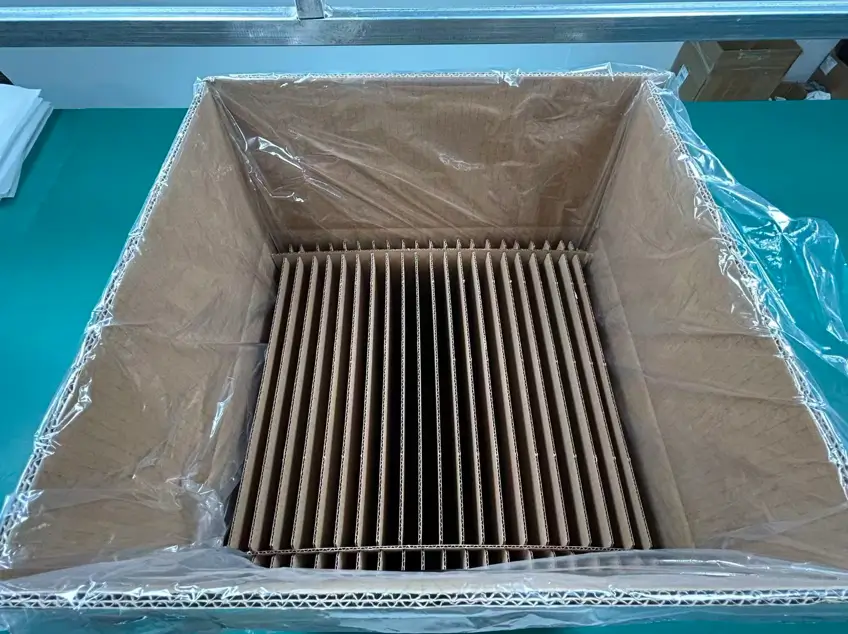
2.5 Wooden Crates and Pallet Packaging
For heavy sheet metal assemblies, industrial cabinets, machine enclosures, and large fabricated structures, wooden crates and pallet-based packaging provide additional protection and handling support.
A suitable design may combine structural supports, protective padding, securing straps, and customized positioning fixtures. Key considerations include the product’s center of gravity, load-bearing points, forklift access, and stability during handling and transportation.
For international shipments, solid-wood packaging must also meet applicable phytosanitary requirements.

2.6 Returnable Packaging
For customers with regular production schedules and repeat orders, returnable plastic containers, customized racks, and reusable trays can offer long-term advantages. These solutions may reduce disposable packaging waste and improve material handling efficiency.
Their cost-effectiveness depends on shipment frequency, return logistics, cleaning requirements, and the management of reusable packaging assets.
3. How to Design the Right Packaging for Metal Parts
Effective custom packaging for sheet metal and stamped parts starts with understanding the product and the shipping environment.
Step 1: Evaluate Product Characteristics
Before selecting packaging materials, consider the following factors:
| Factor | Key Consideration |
|---|---|
| Material | Corrosion susceptibility |
| Surface Finish | Sensitivity to scratches, abrasion, and pressure marks |
| Geometry | Thin walls, sharp edges, protrusions, and deformation risks |
| Weight | Load distribution and handling requirements |
| Transportation | Shipping distance, vibration, humidity, and handling frequency |
| Customer Requirements | Pack quantity, labeling, unpacking, and sustainability preferences |
Step 2: Control Movement Before Adding Cushioning
One of the most important principles in industrial packaging design is to secure the product before increasing cushioning material.
For surface-sensitive components, direct part-to-part contact should be minimized. For thin-walled sheet metal parts, support should be provided at suitable structural locations rather than on areas vulnerable to deformation.
More cushioning does not automatically mean better protection. The correct combination of positioning, support, and suitable packaging materials is what matters.
Step 3: Optimize Total Packaging and Logistics Costs
Packaging optimization should consider more than the price of the box or protective material.
A practical evaluation includes carton quantity, shipping weight, pallet utilization, packing labor, unpacking time, damage risk, and waste handling. For example, adding a protective divider may increase material costs slightly but reduce scratches, replacements, and customer complaints.
The lowest packaging cost is not always the lowest total delivery cost.
Step 4: Standardize the Packaging Process
Once a packaging method is approved, it should be documented through clear work instructions.
These typically define packaging materials, quantities per box, part orientation, protective inserts, carton sealing, and identification labels. Reference photographs or approved packaging samples can help maintain consistency across production batches.
4. How to Verify Packaging Performance
A packaging design should be evaluated against the risks expected during storage, handling, and transportation.
Depending on the application, packaging verification may include:
- Vibration Testing: Evaluates part movement, abrasion, and packaging stability.
- Drop and Impact Testing: Assesses protection against handling-related shocks.
- Compression and Stacking Testing: Evaluates packaging performance under anticipated storage and shipping loads.
- Environmental and Corrosion Evaluation: Assesses protective measures against relevant humidity and temperature conditions.
Standards such as ASTM D4169 provide a framework for evaluating shipping units under simulated distribution conditions.
The appropriate testing method and acceptance criteria should be selected according to the product, transport environment, and customer specifications.
5. Our Approach to Metal Parts Packaging at Innoway Precision
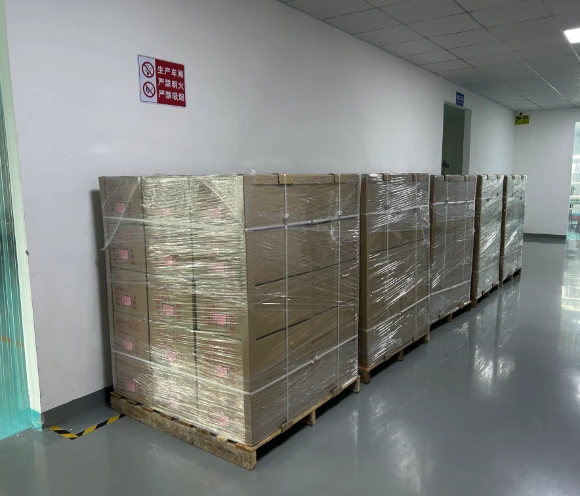
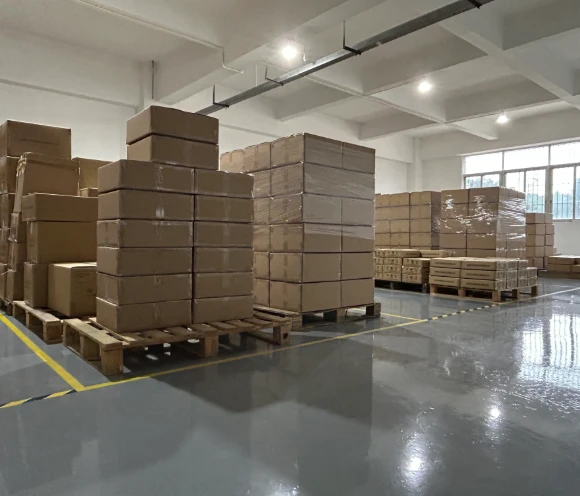
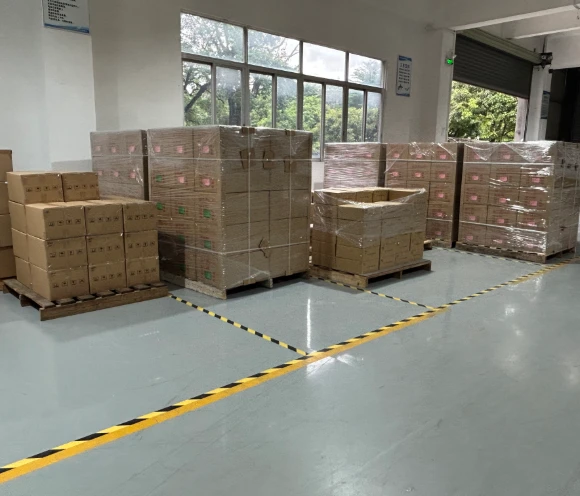
At Innoway Precision, we view packaging as an integral part of the manufacturing and delivery process. From small precision stampings and powder-coated sheet metal brackets to large fabricated enclosures and welded assemblies, packaging requirements vary significantly.
We evaluate component geometry, surface finish, order volume, handling requirements, and shipping conditions to determine suitable protective packaging solutions. Our focus is not on using more packaging materials, but on applying the right protection, positioning, and standardized handling methods to support reliable deliveries and cost efficiency.
Good packaging protects more than the product. It protects the customer’s confidence in quality and supply reliability.
Frequently Asked Questions
There is no single best method. PE bags, divided cartons, thermoformed trays, and returnable containers are commonly used depending on part geometry, surface sensitivity, and transportation conditions.
Suitable protective films, foam separators, custom trays, and secure positioning can reduce surface contact and movement. Material compatibility should be verified for sensitive finishes.
Not always. The requirement depends on the base material, surface treatment, transportation environment, and expected storage duration. VCI packaging or other moisture-control measures may be appropriate.
Large enclosures often require pallet-based support, customized fixtures, or protective crates. Proper load distribution, securing methods, and safe handling access are essential.
Packaging costs can be optimized by improving carton utilization, selecting suitable protective materials, standardizing packing methods, and evaluating returnable packaging for repeat shipments.