1. What Makes a Part Suitable for Metal Stamping?
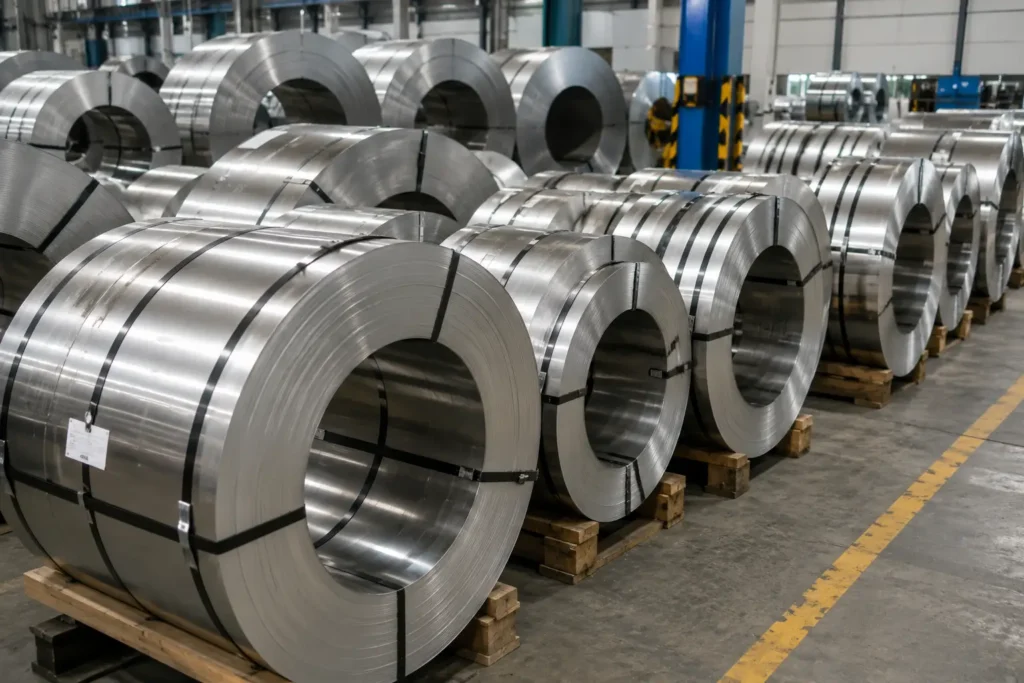
The first step in determining whether a metal part is suitable for stamping is to examine its raw material form and geometry. Metal stamping primarily processes flat metal sheets or strips with a relatively uniform starting thickness. A stamping die then cuts, punches, bends, or forms the material into the required shape.
For example, a 1.5 mm thick steel sheet can be stamped into a mounting bracket with holes, flanges, and reinforcing ribs while retaining approximately the original sheet thickness over most of the component.
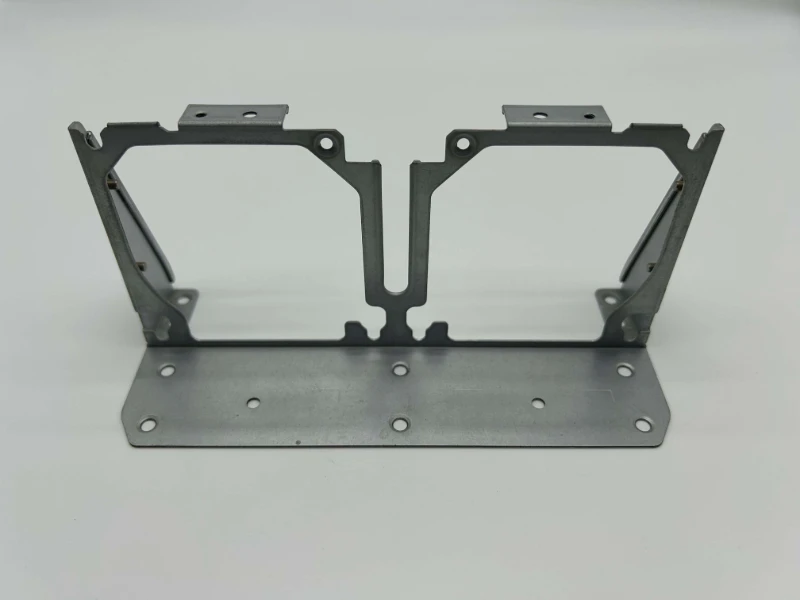
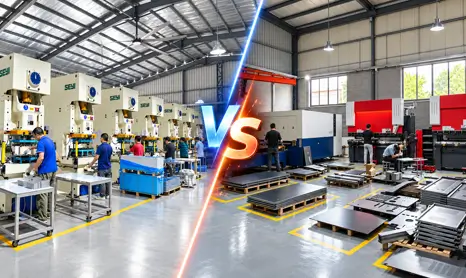
By contrast, solid metal blocks, thick shafts, components with deep machined cavities, or parts requiring complex three-dimensional machining are generally better suited to CNC machining or other processes.
Basic Rule: If a component can be developed from flat sheet metal through cutting, punching, and forming operations, it may be a suitable candidate for metal stamping.
2. Which Product Features Are Suitable for Stamping?
Once the material form is confirmed, the next step is to evaluate the part’s geometry.
| Product Feature | Suitable for Stamping? | Explanation |
|---|---|---|
| Uniform starting sheet thickness | Yes | A basic characteristic of conventional sheet metal stamping |
| Holes and slots | Yes | Produced through piercing and punching |
| Flanges and bends | Yes | Created using forming dies |
| Embossments and reinforcing ribs | Yes | Formed to improve stiffness or create functional features |
| Shallow drawn shapes | Often | Possible using drawing operations, subject to material formability |
| Deep cavities, thick solid sections | Generally not ideal | May require machining, deep drawing, or other specialized processes |
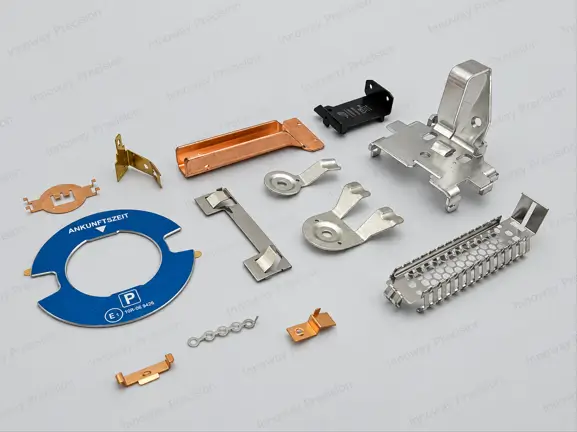
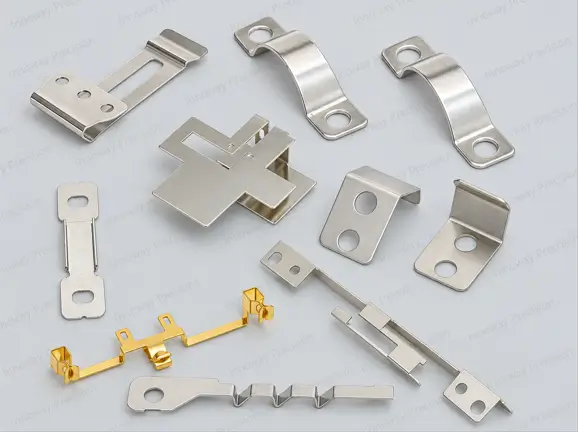
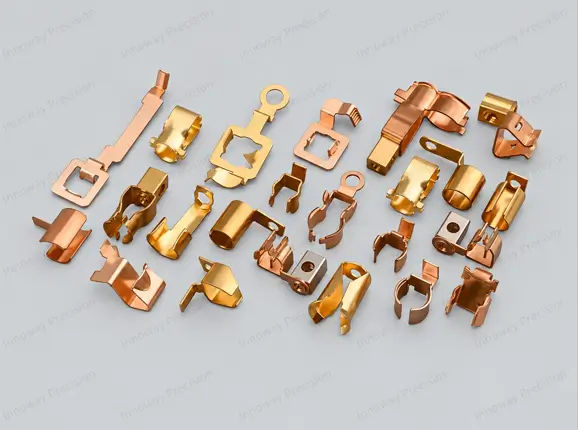
It is important to understand that stamping can produce more than simple flat parts. With appropriate tooling, a flat sheet can be transformed into a complex three-dimensional component.
However, not every shape can be stamped economically. Extremely deep features, tight corners, insufficient material around holes, and difficult forming geometries may increase tooling complexity or cause manufacturing defects.
3. What Benefits Does Metal Stamping Offer?
After confirming that a part is technically suitable, the next question is whether stamping provides a manufacturing advantage.
The main benefits are:
- High Precision and Repeatability: Dedicated dies control hole positions, cutting profiles, and formed features, providing excellent dimensional consistency for suitable components.
- High Production Efficiency: Multiple operations can be completed during press strokes, particularly with progressive dies, reducing processing time and repeated handling.
- Lower Unit Cost at Sufficient Volume: Once tooling costs are distributed across enough parts, stamping can become more economical than manufacturing each part through separate cutting and bending operations.
These advantages are most valuable for products with stable designs and recurring production demand. For prototypes and frequently modified products, the cost of dedicated stamping dies may outweigh the production benefits.
4. Typical Products Suitable for Metal Stamping
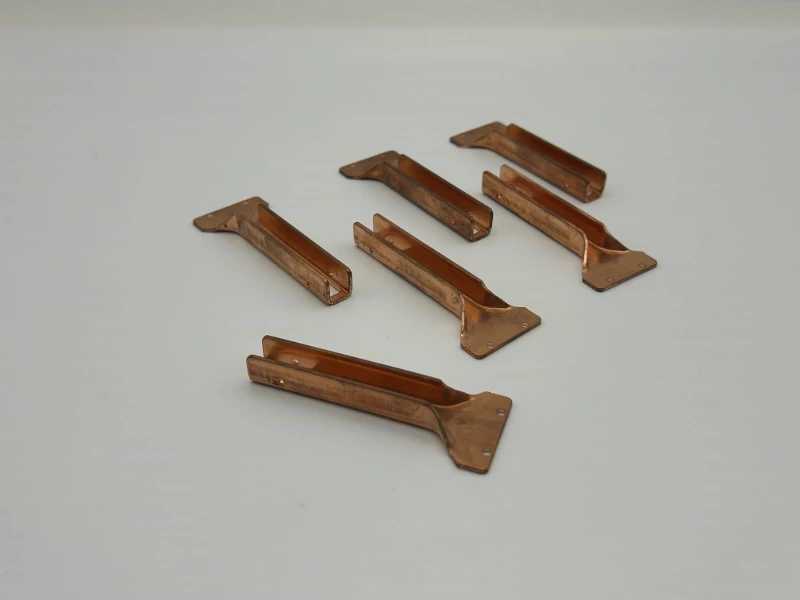
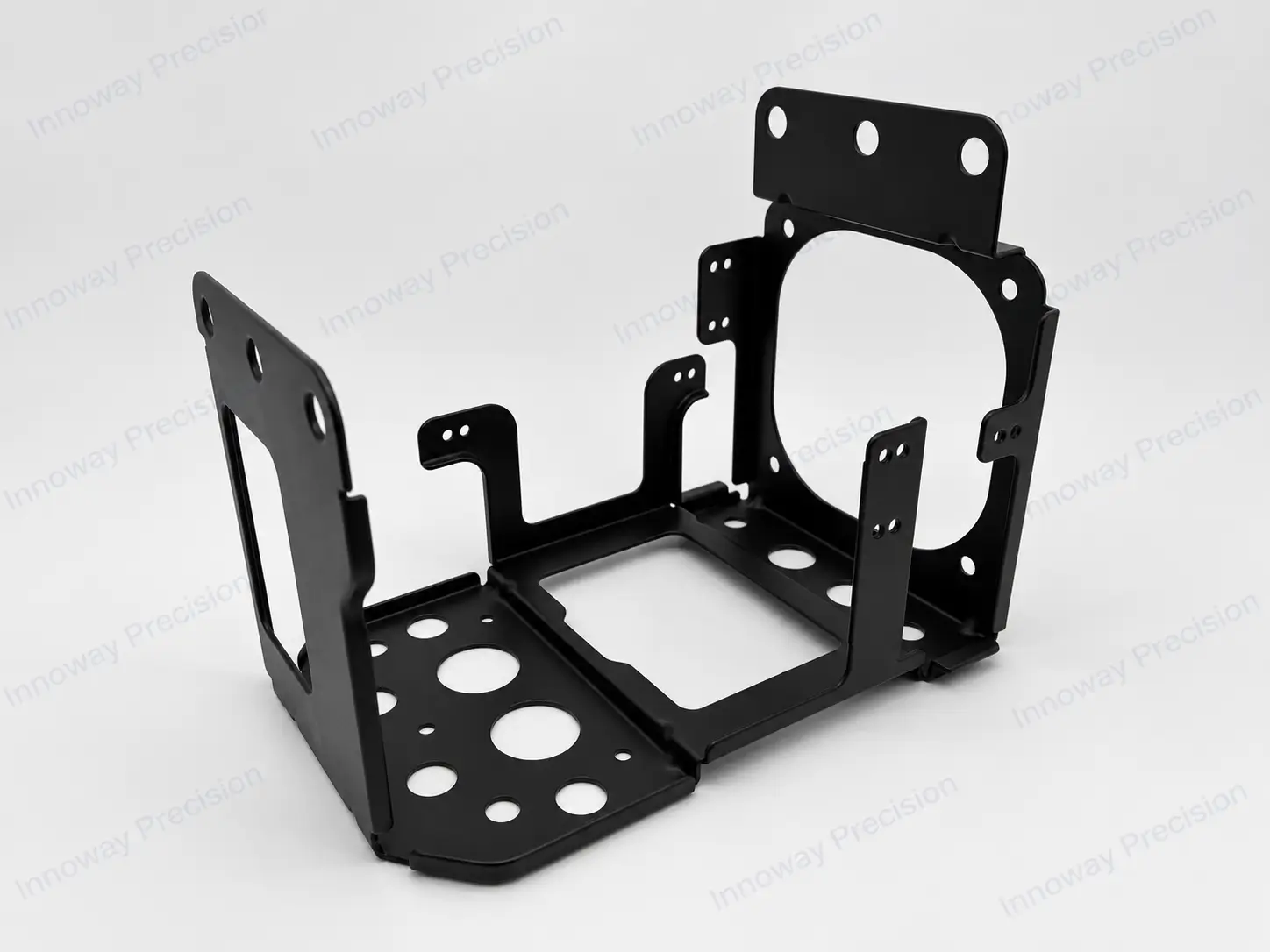
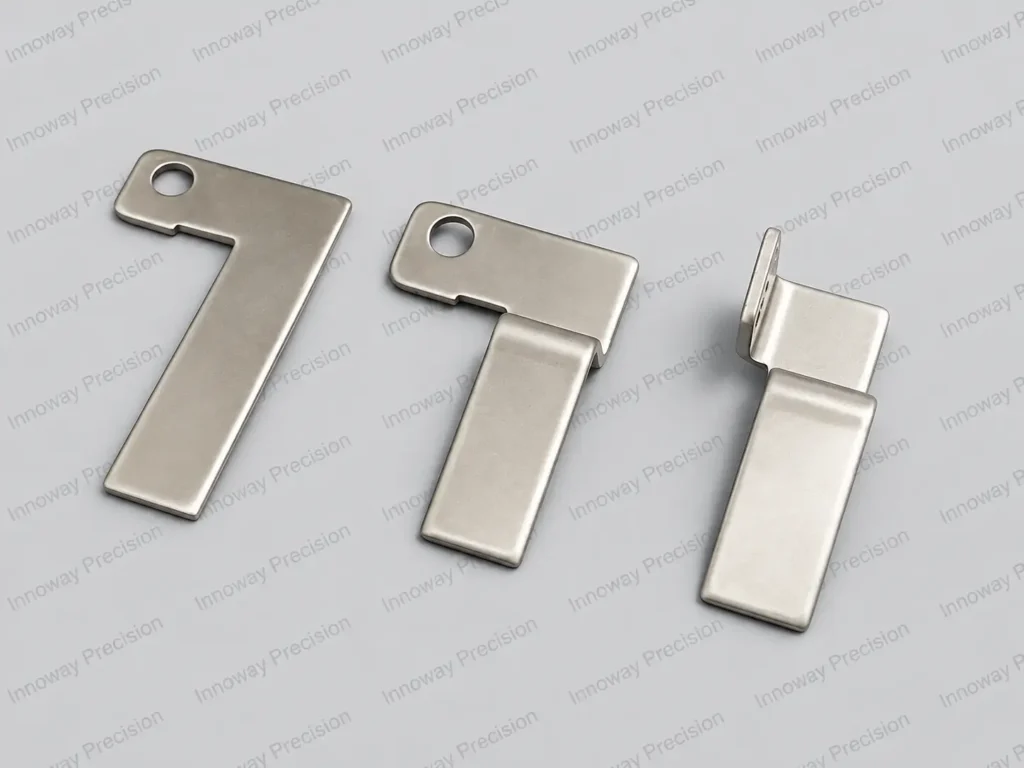
These examples share one important characteristic: they can be manufactured from sheet or strip material through repeatable cutting and forming operations.
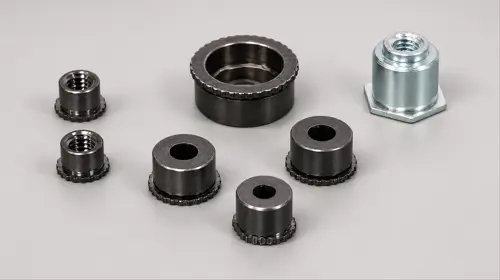
Applications include automotive mounting components, electrical terminals, spring clips, retaining rings, heat sink components, and appliance brackets.
5. How to Decide If Your Part Is Suitable for Stamping
Before requesting stamping tooling, OEM buyers and engineers can use the following checklist:
| Key Factor | What to Check |
|---|---|
| 1. Material Form | Can the part be made from flat metal sheet or strip with a relatively uniform starting thickness? |
| 2. Part Geometry | Can the required features be produced mainly through cutting, punching, bending, or forming? |
| 3. Material Formability | Can the selected material withstand the required forming operations without cracking or excessive deformation? |
| 4. Production Demand | Is the product design stable, with sufficient recurring demand to justify dedicated tooling? |
√ Good Candidate for Metal Stamping: If all four conditions are met, metal stamping is likely a suitable manufacturing option, subject to engineering and tooling validation.
! Further Engineering Review Required: If the material, geometry, or forming feasibility is uncertain, a DFM review is recommended before developing tooling.
? Consider Alternative Manufacturing Methods: If the part requires extensive machining or the design changes frequently, CNC machining or flexible sheet metal fabrication may be more practical.
6. Precision Metal Stamping at Innoway Precision
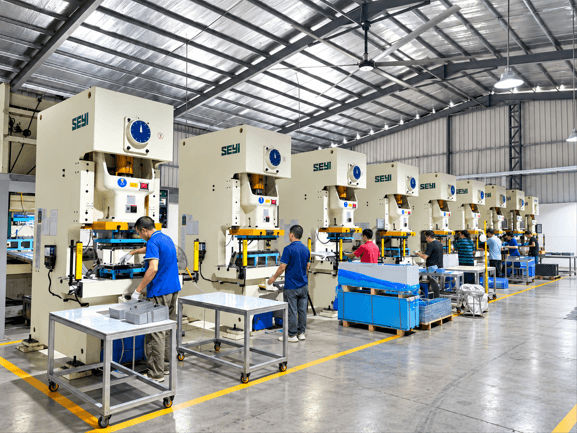
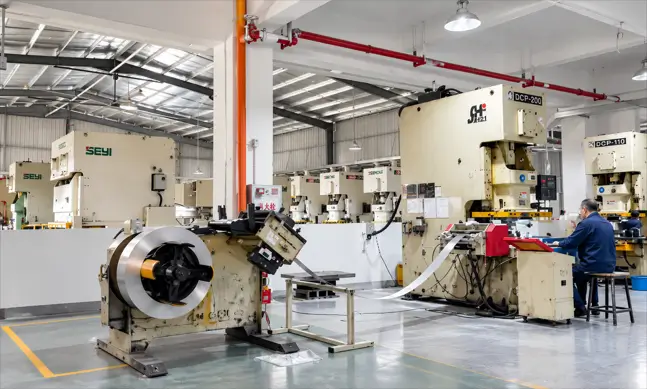
At Innoway Precision, we manufacture custom stamped metal components for automotive, electronics, industrial equipment, and other OEM applications. Our stamping presses, with capacities up to 400 tons, support a range of sheet metal materials and part geometries.
Is Your Metal Part Suitable for Stamping?
Not sure whether your component is suitable for precision metal stamping?
At Innoway Precision, our engineering team can review your part geometry, material thickness, tolerance requirements, and expected production volume to evaluate stamping feasibility.
Send us your 2D/3D drawings for a DFM review and quotation.
Frequently Asked Questions
Conventional sheet metal stamping generally starts with flat sheet or strip material of uniform thickness. Local thinning or thickening can occur during certain forming operations.
Yes. Thick plates can be punched or formed with suitable equipment and tooling. Required press force, material properties, and part geometry determine feasibility.
Yes. Bending, embossing, deep drawing, and other forming processes can create three-dimensional geometries from flat sheet metal, subject to material and tooling limitations.
Technically, yes, but dedicated tooling may not be economical. Production volume, die complexity, and expected future orders determine whether stamping is cost-effective.
In most conventional stamping operations, such as blanking, punching, and bending, the material thickness remains approximately unchanged. However, processes such as deep drawing, stretching, and coining may cause localized thinning or thickness changes.
Parts with deep cavities, extremely tight bend radii, narrow slots, or complex three-dimensional features may require specialized tooling or additional manufacturing operations. A Design for Manufacturing (DFM) review helps identify potential forming difficulties and optimize the part design before tooling development.