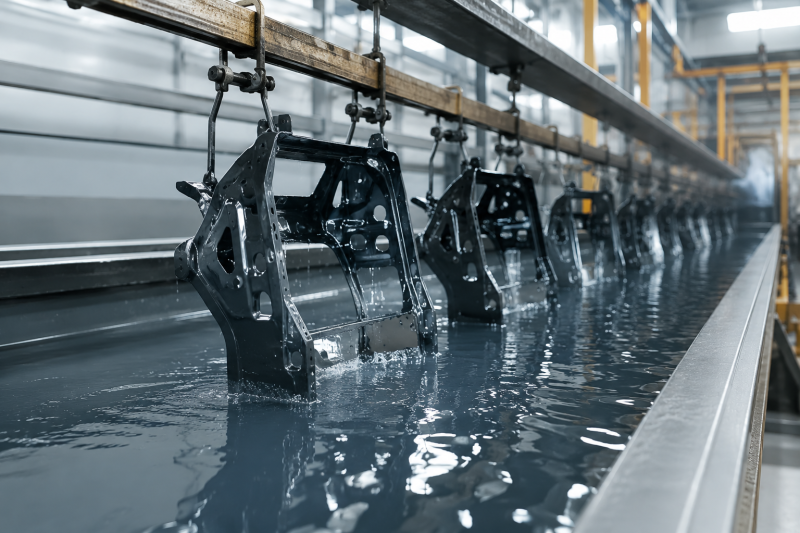
1. What Is E-coating? Electrophoretic Coating, commonly known as E-coat or EDP, is a water-based coating process that uses direct current to deposit charged paint particles onto conductive metal parts....
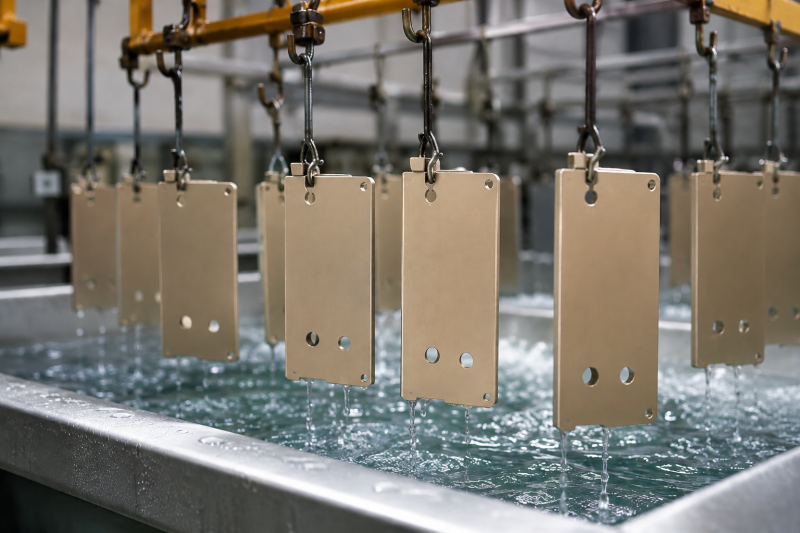
Anodizing Process Anodizing is mainly used for aluminum and aluminum alloys. Through an electrochemical process, a controlled aluminum oxide layer (Al₂O₃) is formed on the surface of the part. This...
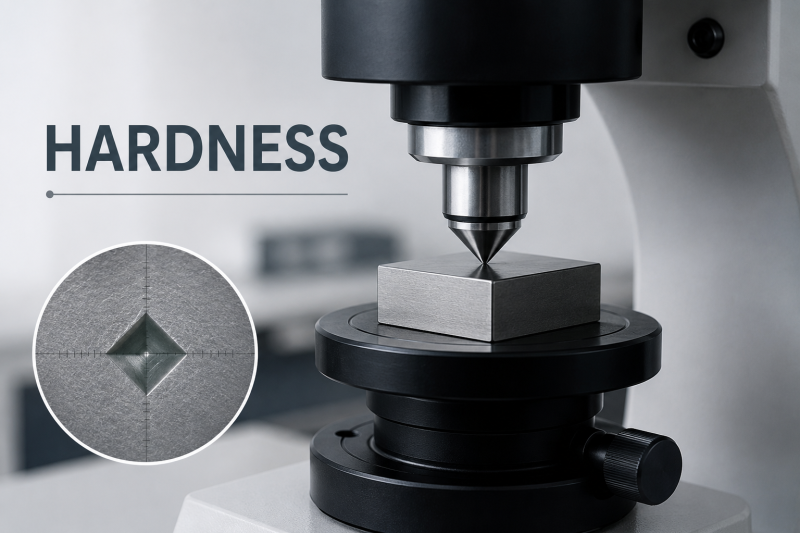
What Is Material Hardness? Material hardness refers to a material’s ability to resist localized deformation, indentation, scratching, or wear. In simple terms: Hardness is one of the most important mechanical...
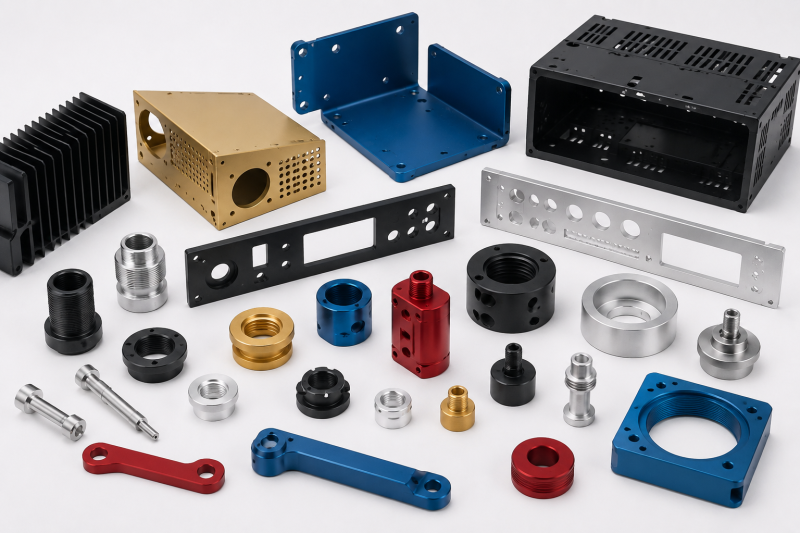
Aluminum Anodizing Design Guide Anodizing is one of the most widely used surface finishing processes for aluminum components, including CNC machined parts, sheet metal enclosures, heat sinks, medical devices, telecom...
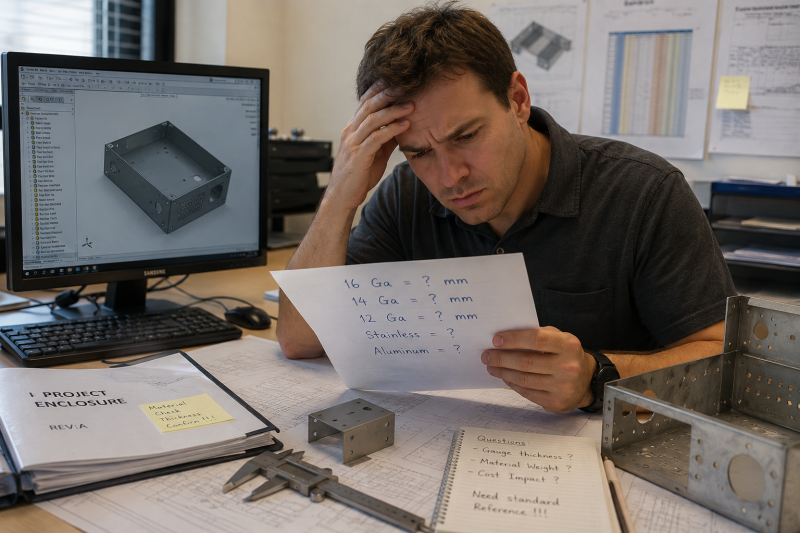
Material thickness plays a critical role in sheet metal fabrication, metal stamping, enclosure manufacturing, and precision component production. In North America, sheet metal thickness is often specified using a system...
Why Material Grade Conversion Mistakes Are Costing Manufacturers Time and Money As global supply chains become increasingly interconnected, engineers and sourcing teams are facing a growing challenge: The same material...