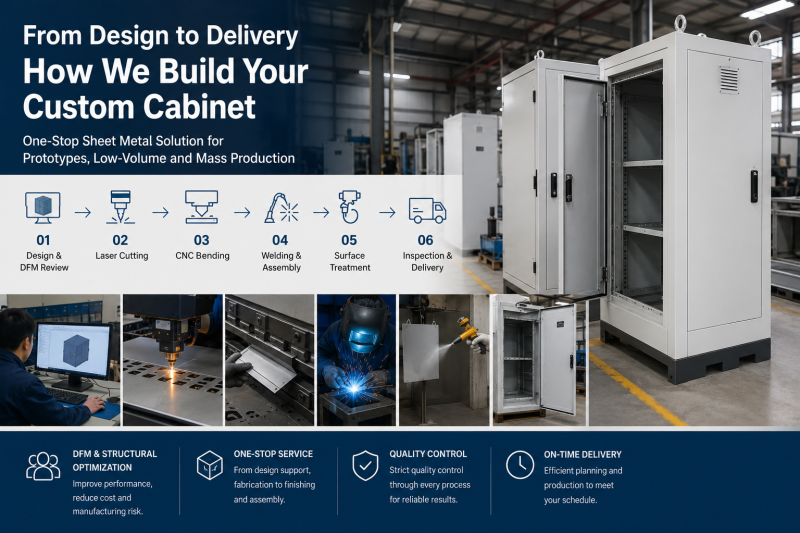
The Real Challenge Starts Before Fabrication For many customers, building a custom metal cabinet is not simply about finding a sheet metal supplier. Will the structure be strong enough? Are...
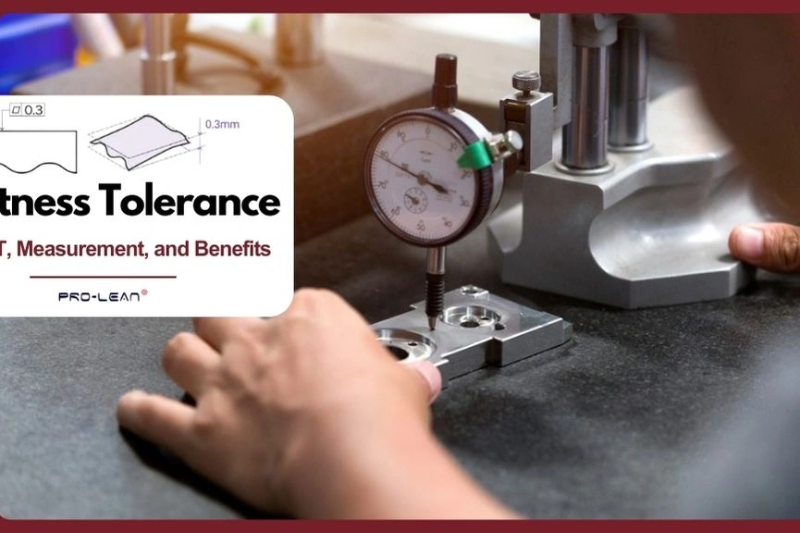
1. Why Flatness Is So Important For stamped parts, sheet metal components, and precision metal structures, flatness is more than a drawing requirement. It directly affects assembly fit, welding positioning,...
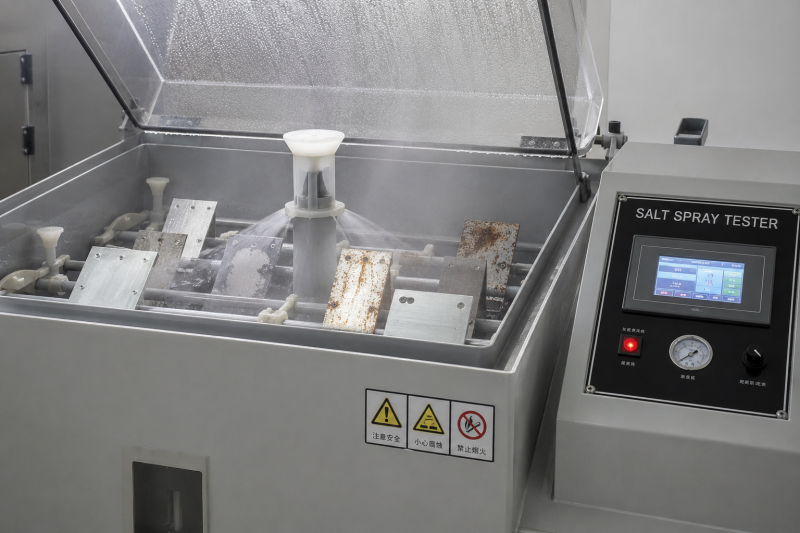
Surface treatment quality is one of the most critical — and often overlooked — factors in the long-term performance of precision stamped and sheet metal components. Salt spray testing (also...
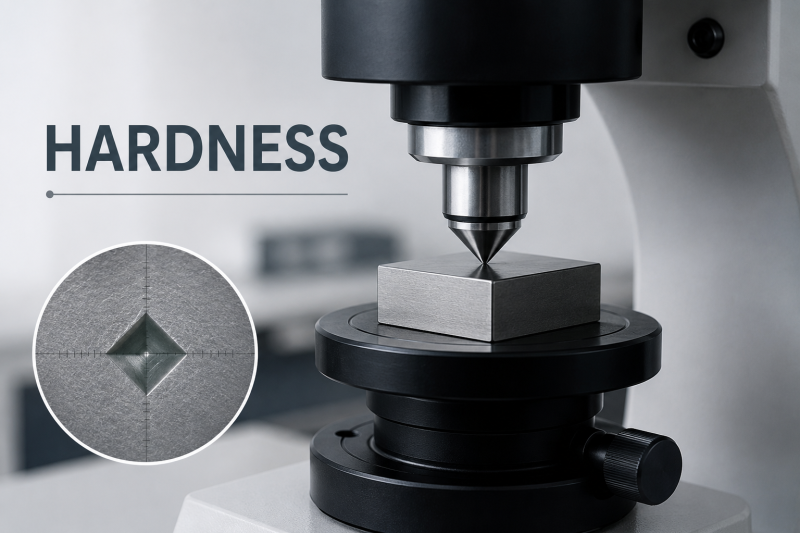
What Is Material Hardness? Material hardness refers to a material’s ability to resist localized deformation, indentation, scratching, or wear. In simple terms: Hardness is one of the most important mechanical...
WHAT IS NPI? In the electronics, hardware, and manufacturing industries, NPI (New Product Introduction) serves as the vital bridge connecting “conceptual design” with “mass production.” A highly efficient NPI process...
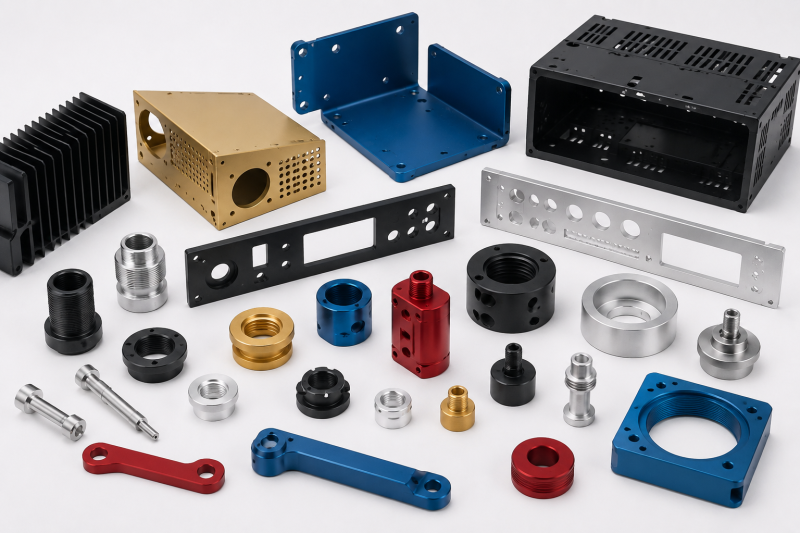
Aluminum Anodizing Design Guide Anodizing is one of the most widely used surface finishing processes for aluminum components, including CNC machined parts, sheet metal enclosures, heat sinks, medical devices, telecom...