1. What Is Silk Screen Printing?
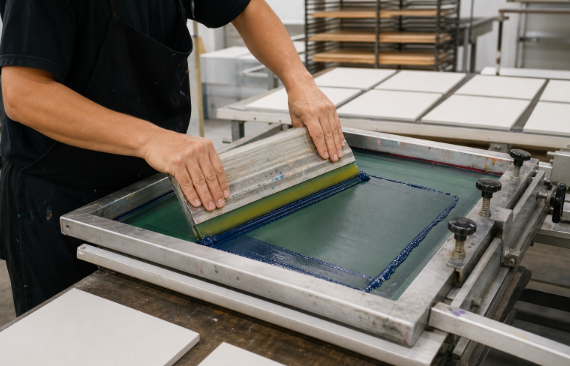
Silk screen printing, also known as screen printing, is a surface printing method that transfers ink through a prepared mesh screen onto a product surface. It is commonly used for logos, text, symbols, warning labels and decorative graphics. Because it works on many materials and produces solid, clear colors, silk screen printing is widely used for plastic parts, metal panels, glass products, acrylic pieces, electronic housings and packaging components.
2. How the Silk Screen Printing Process Works
A typical silk screen printing process includes:
- Artwork preparation: The design is adjusted according to product size, print position and color requirements.
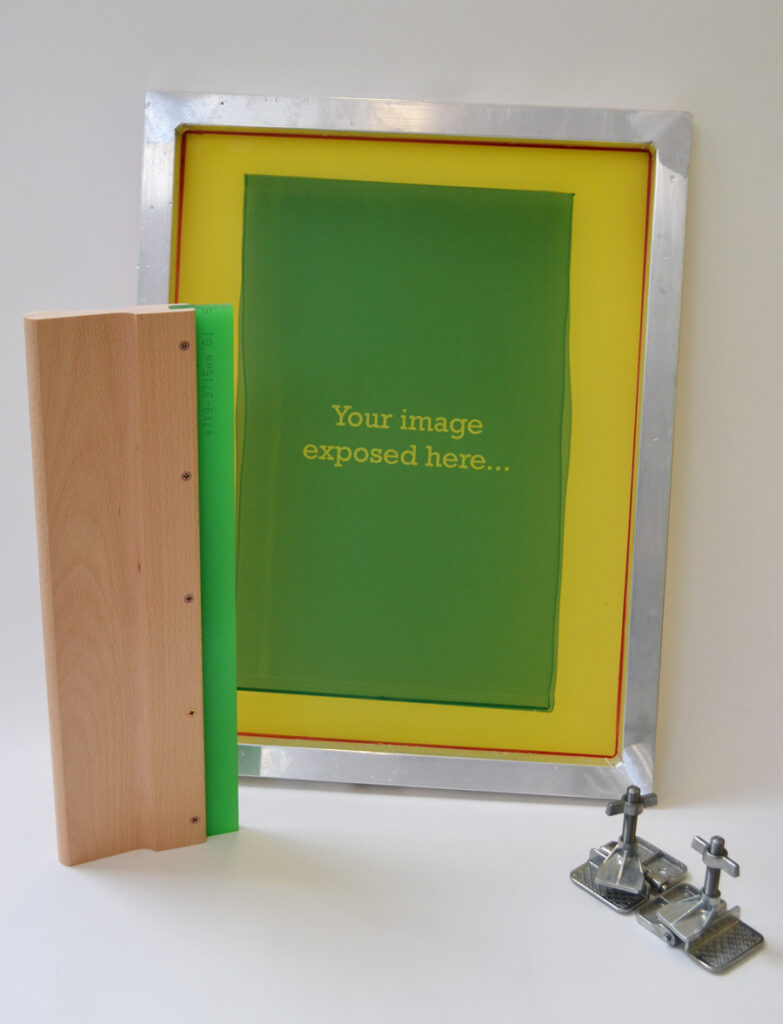
- Screen making: The artwork is transferred onto a mesh screen to create the printing stencil.
- Ink matching: Suitable ink is selected based on the material, color and durability needs.
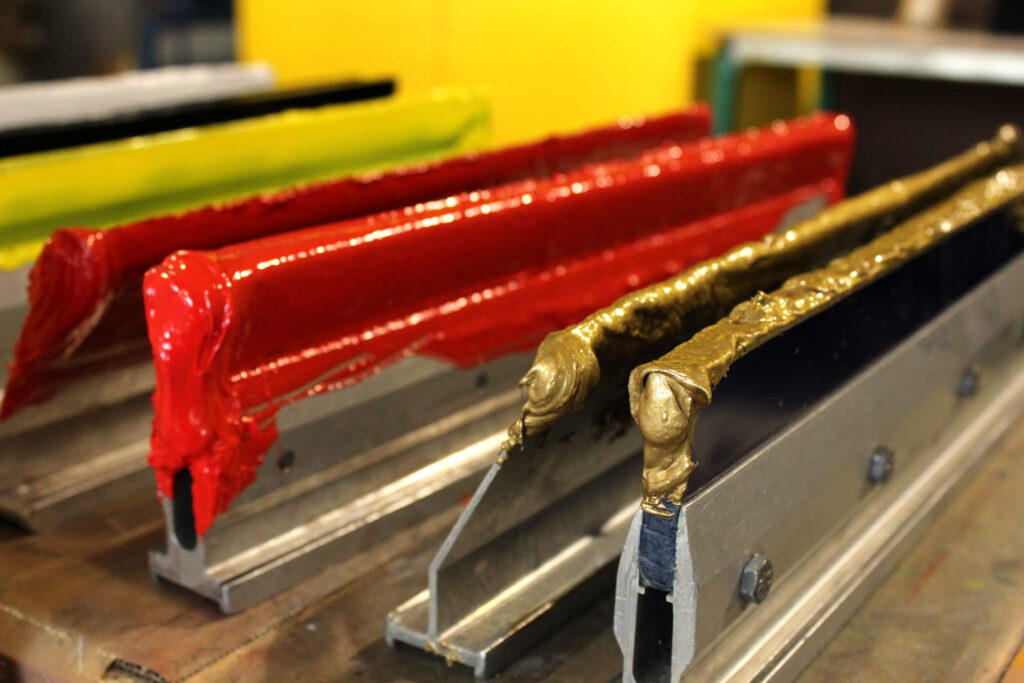
- Printing: A squeegee pushes ink through the open areas of the screen onto the surface.
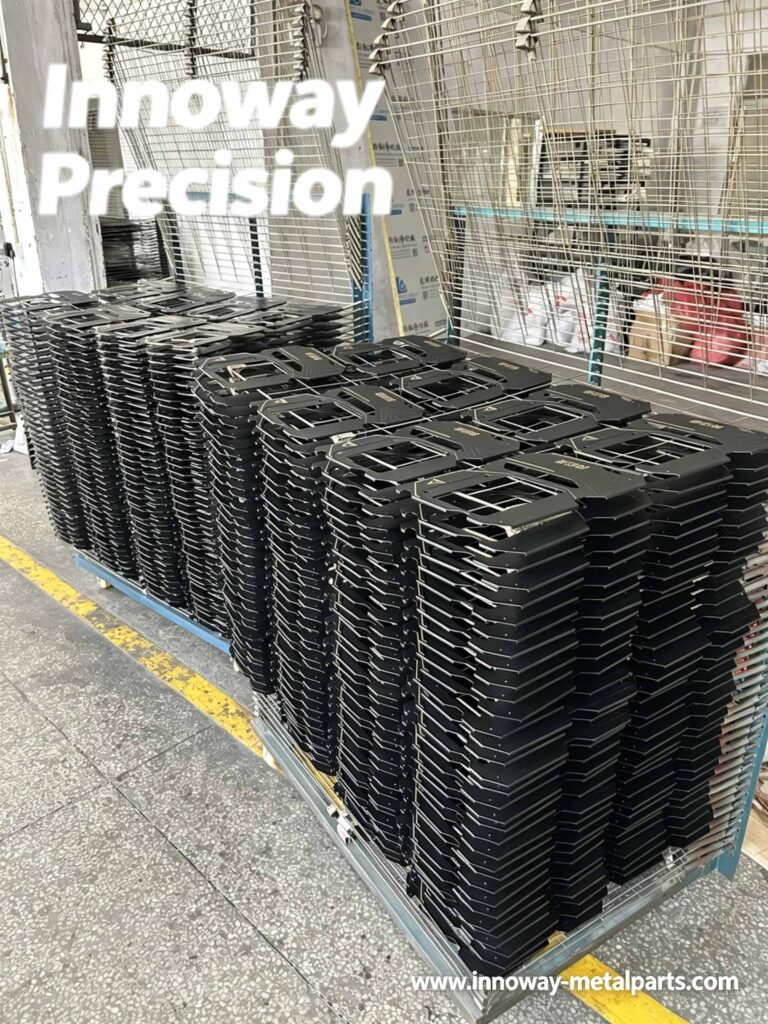
- Drying or curing: The printed ink is dried naturally, heat-cured or UV-cured.
- Quality inspection: Color, position, adhesion, clarity and surface finish are checked before shipment.
3. Common Applications of Silk Screen Printing
Silk screen printing is suitable for both functional markings and brand decoration. It is often used on:
- Plastic housings and molded parts
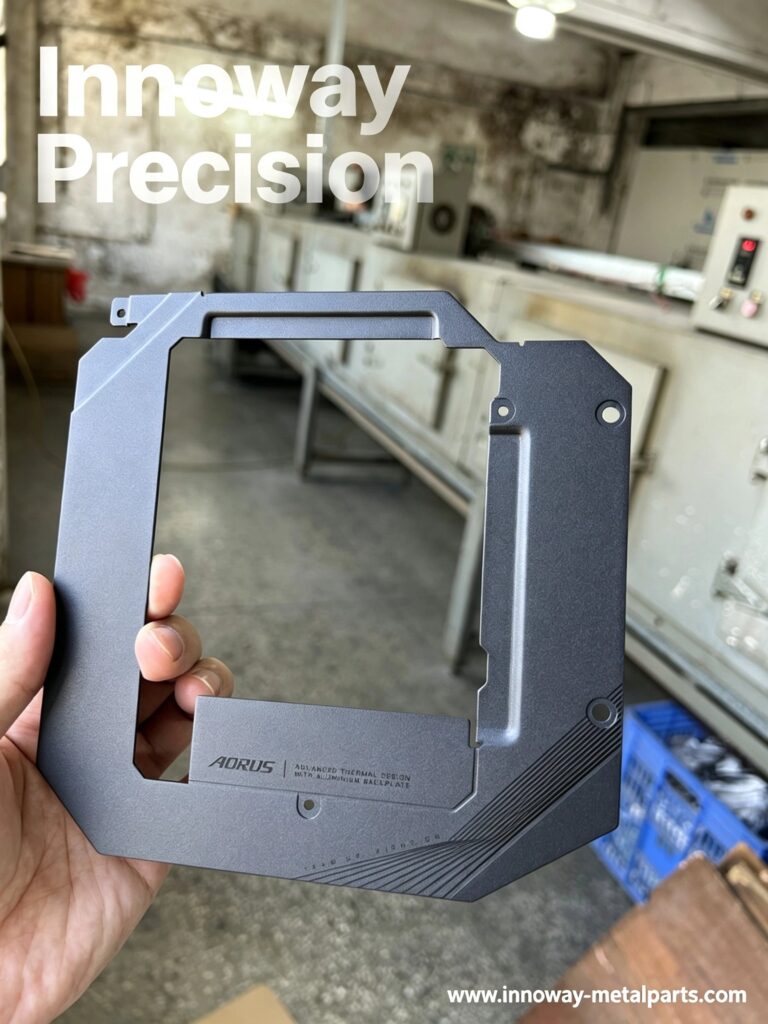
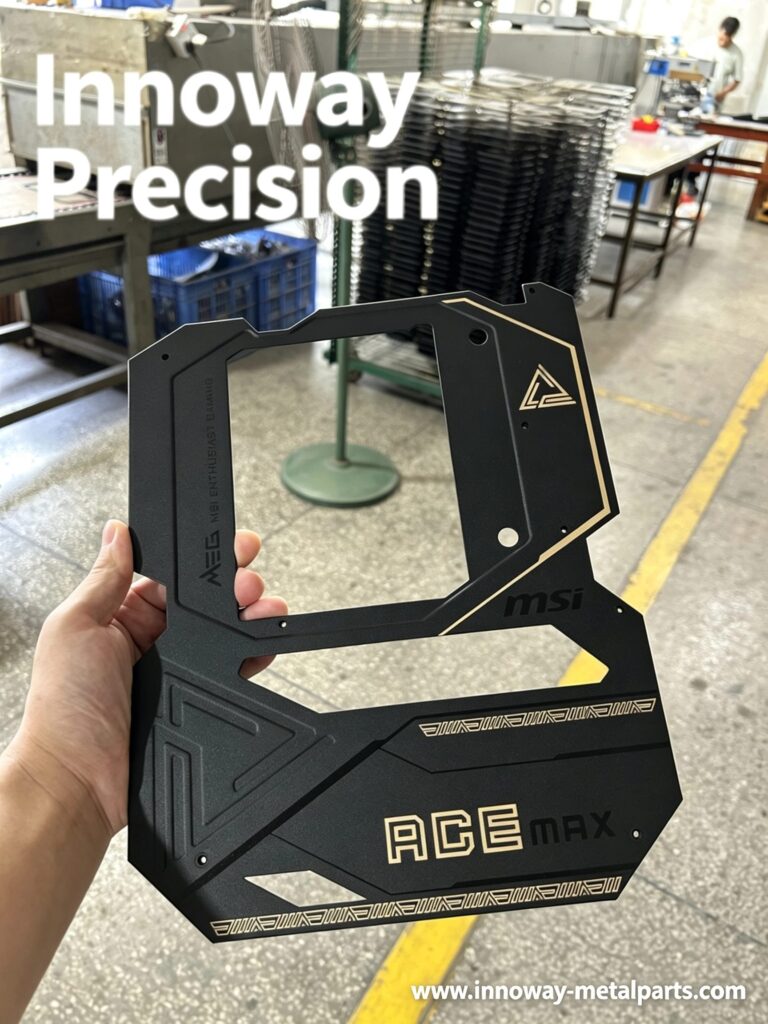
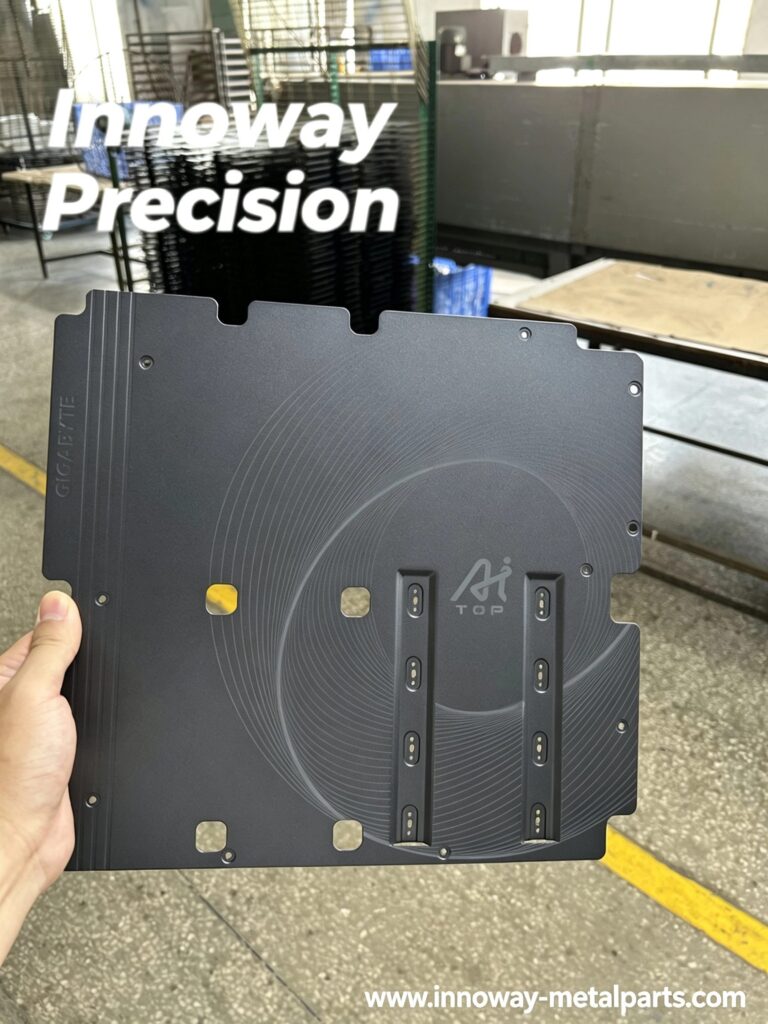
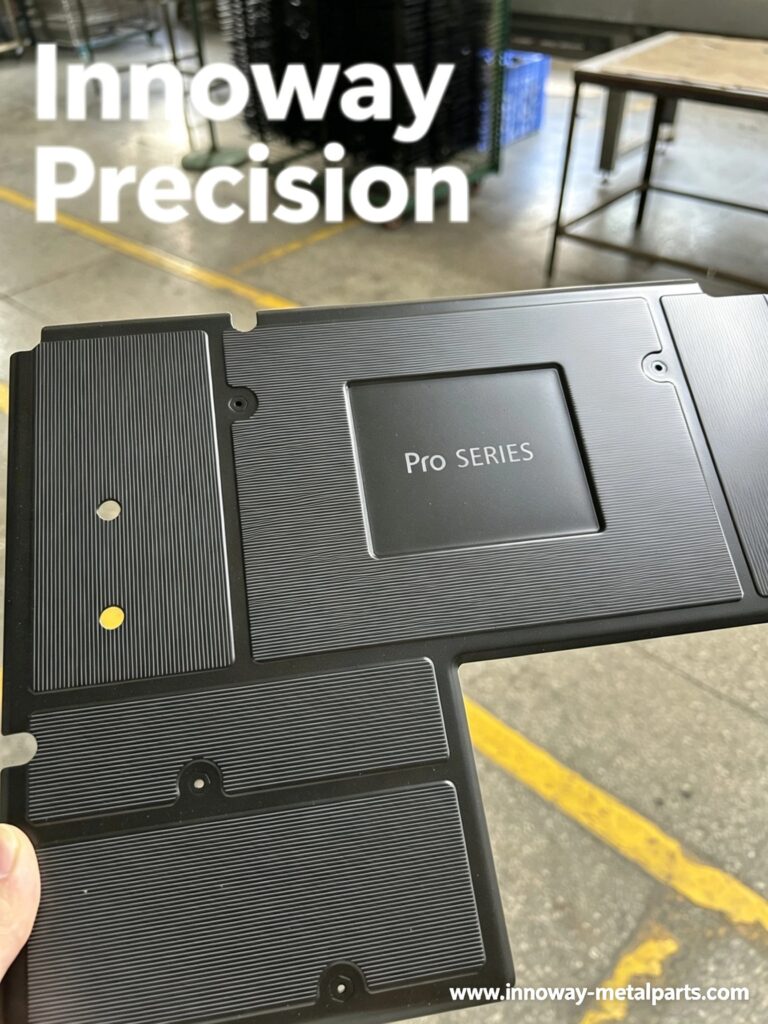
- Metal nameplates and control panels
- Glass, acrylic and display panels
- Electronic product casings and buttons
- Packaging boxes, labels and decorative surfaces
- Industrial equipment marks and warning symbols
- Custom logos and product identification graphics
4. Main Advantages of Silk Screen Printing
Wide material compatibility
Silk screen printing can be applied to plastic, metal, glass, acrylic, paper and many coated surfaces.
Strong color coverage
The ink layer is relatively thick, making colors look solid, clear and highly visible.
Good for batch production
After the screen is made, the same design can be printed repeatedly with stable results.
Durable surface performance
With the right ink and curing method, the printed graphics can achieve good adhesion, wear resistance and outdoor durability.
Clear graphic expression
It is especially effective for logos, text, icons, lines and simple color blocks.
5. How to Improve Silk Screen Printing Quality
To achieve a cleaner and more durable print, pay attention to these points:
- Provide vector artwork such as AI, PDF, SVG or CDR files.
- Confirm the exact print size, position and color before production.
- Choose ink that matches the base material.
- Use surface treatment when printing on difficult materials.
- Control ink thickness, printing pressure and drying conditions.
- Approve samples before moving into mass production.
6. Conclusion
Silk screen printing remains a practical and cost-effective printing solution for many industrial and commercial products. It is especially suitable when a product needs clear graphics, stable colors, strong ink coverage and reliable batch consistency.
FAQ
Yes. Silk screen printing is commonly called screen printing. Modern screens may use synthetic mesh instead of silk, but the basic printing principle is the same.
Common materials include plastic, metal, glass, acrylic, paper, coated boards and some fabric surfaces.
It can print one color or multiple colors. Multi-color printing usually requires separate screens and accurate registration for each color.
Yes, when the ink, material treatment and curing method are properly matched. Durability depends mainly on adhesion, wear resistance and environmental exposure.
Vector files are preferred, such as AI, PDF, SVG or CDR. The file should include print size, color reference, position and material information.