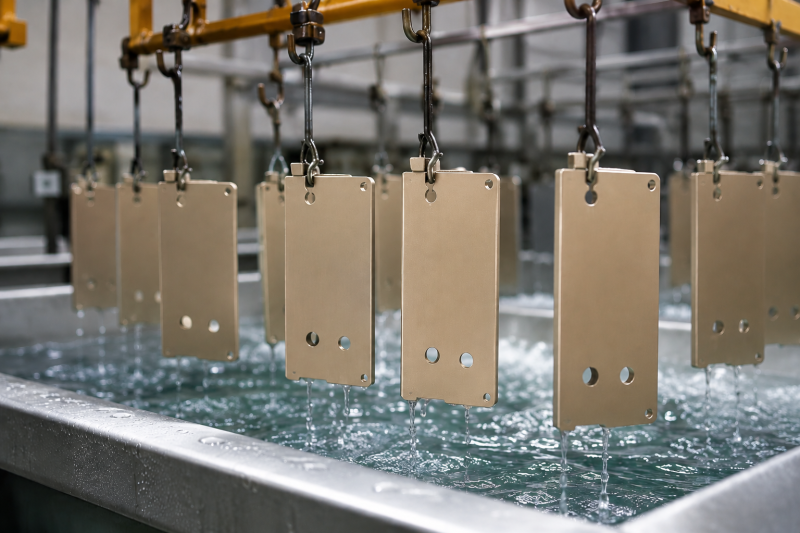
Anodizing Process Anodizing is mainly used for aluminum and aluminum alloys. Through an electrochemical process, a controlled aluminum oxide layer (Al₂O₃) is formed on the surface of the part. This...
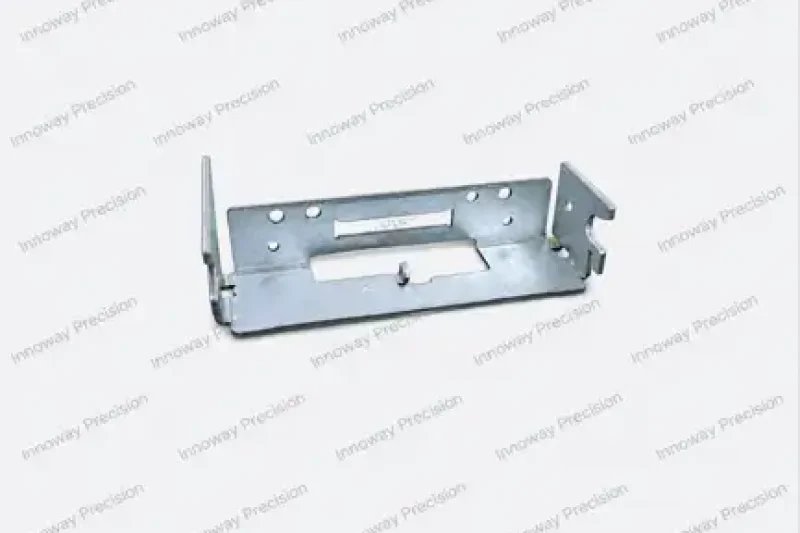
1. Key Project Controls This precision metal stamping case study shows how Innoway Precision controlled hole alignment after bending a galvanized steel component for printing equipment. The alignment between the...
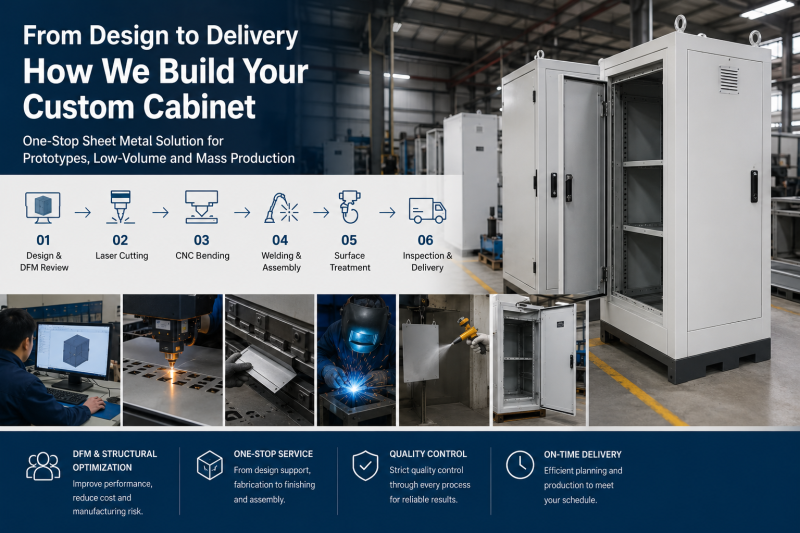
The Real Challenge Starts Before Fabrication For many customers, building a custom metal cabinet is not simply about finding a sheet metal supplier. Will the structure be strong enough? Are...
A Small Assembly with a Big Job An automotive trunk latch connector may look simple from the outside, but its function depends on several stamped metal components working together with...
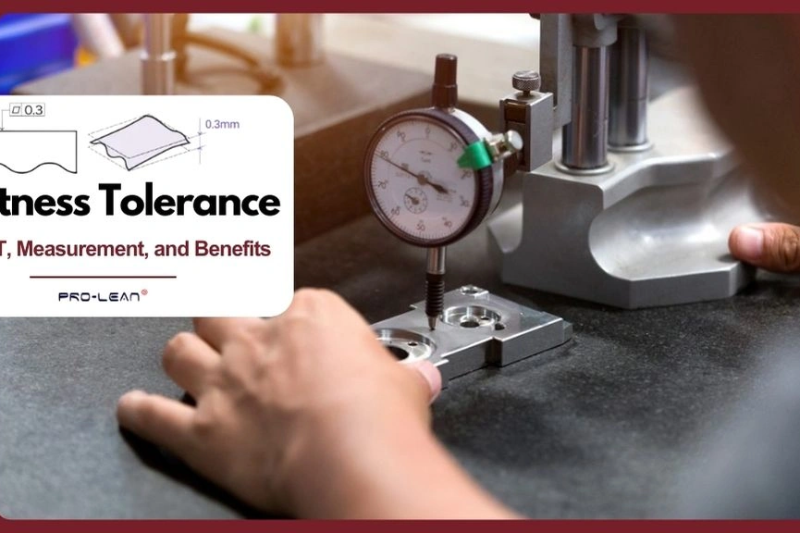
1. Why Flatness Is So Important For stamped parts, sheet metal components, and precision metal structures, flatness is more than a drawing requirement. It directly affects assembly fit, welding positioning,...
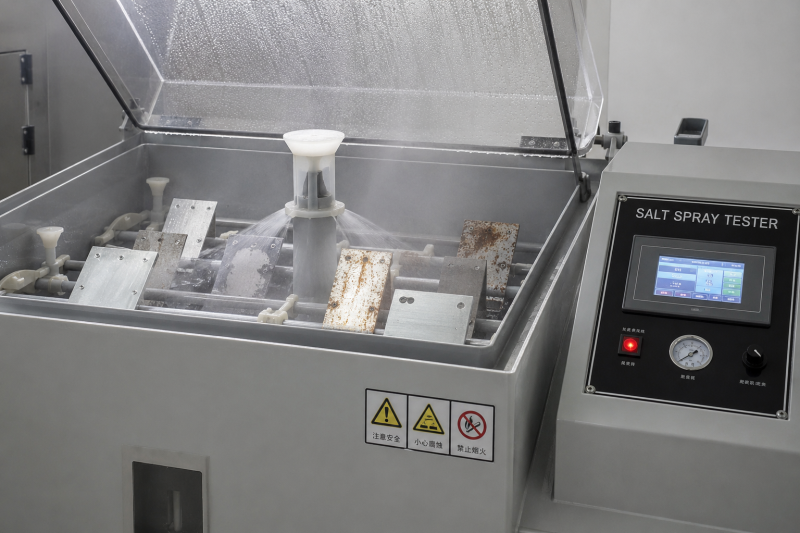
Surface treatment quality is one of the most critical — and often overlooked — factors in the long-term performance of precision stamped and sheet metal components. Salt spray testing (also...