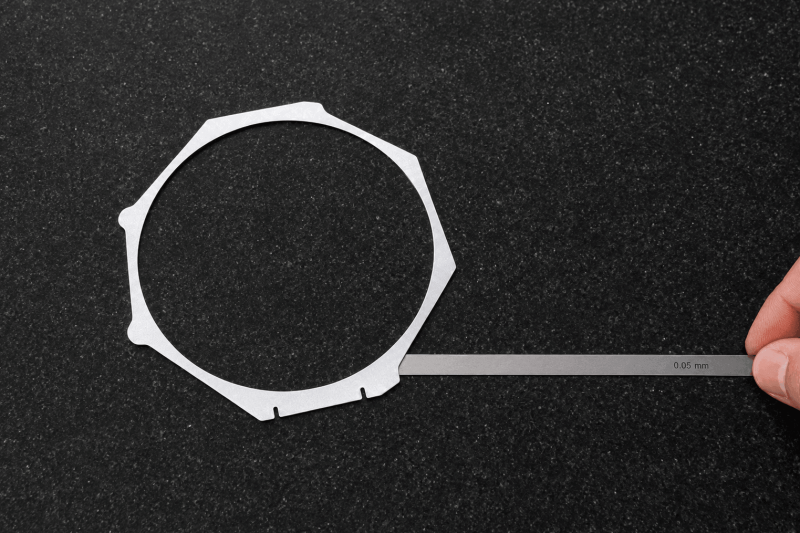
1. Case Analysis Achieving 0.05 mm flatness in a precision stamped part requires more than simply forming the material. Material properties, stamping stress, springback and die condition can all affect...
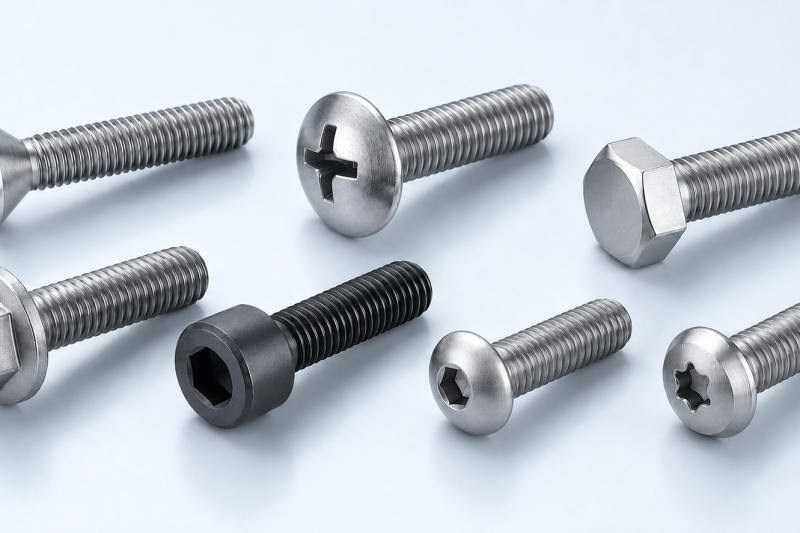
1. Why Screw Head Design Matters Screw head design affects more than the appearance of an assembly. It determines the required installation tool, available tightening torque, bearing area, head protrusion,...
1. Responding to a Tight Delivery Schedule Our team recently completed an order of 100 custom sheet metal cabinets for a customer working with a tight delivery schedule. The project...
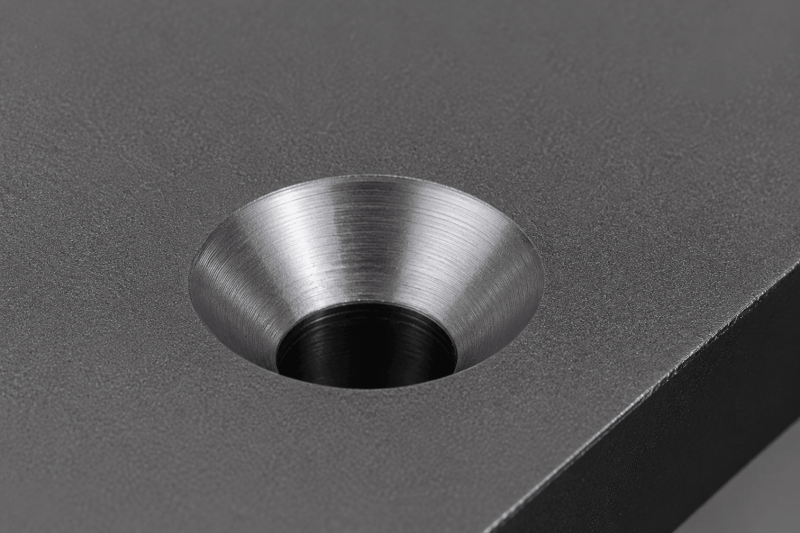
Six Common Types of Holes in Engineering Holes in mechanical parts are designed for more than simply passing a screw through the material. Different types of holes in engineering provide...
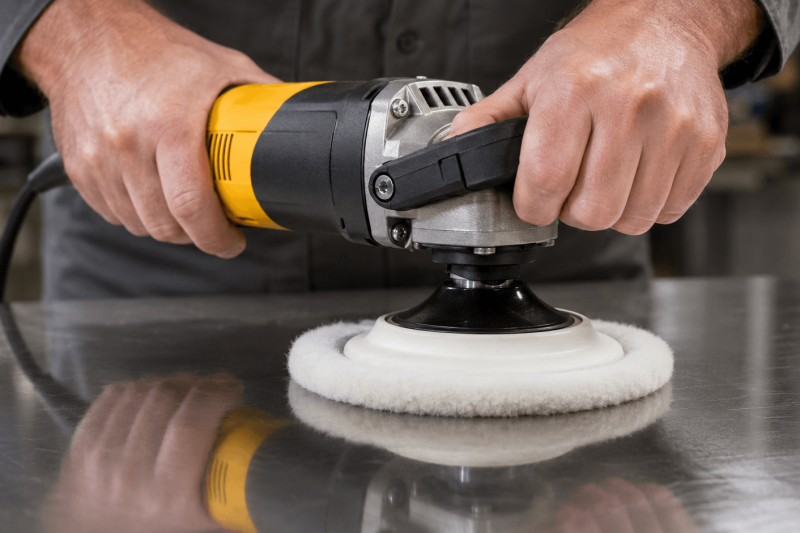
1. What Is Metal Polishing Metal polishing is a surface finishing process used to make metal parts smoother, brighter and more visually consistent. It is commonly applied to stainless steel,...
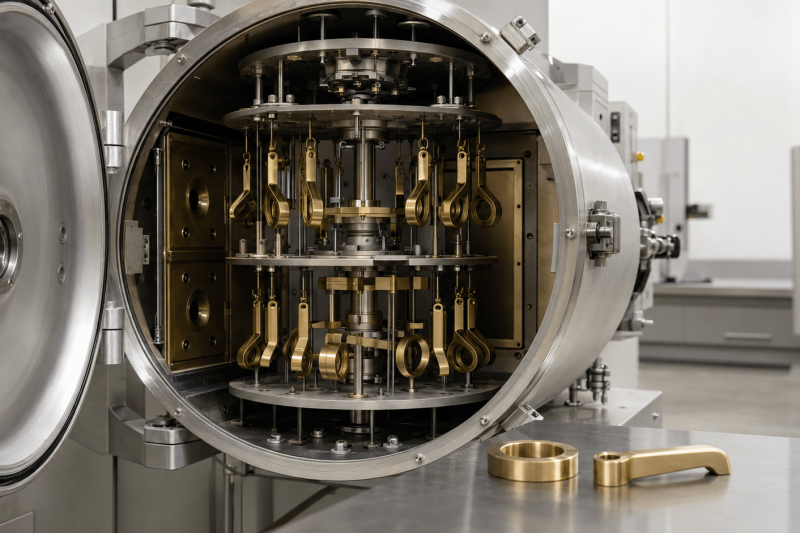
PVD coating is a vacuum-based surface treatment used to create a thin film on metal, ceramic, glass and selected plastic components. PVD stands for Physical Vapor Deposition. The process can...